He built a life with his hands. When a medical crisis threatened to tear it down, a community bridge appeared.
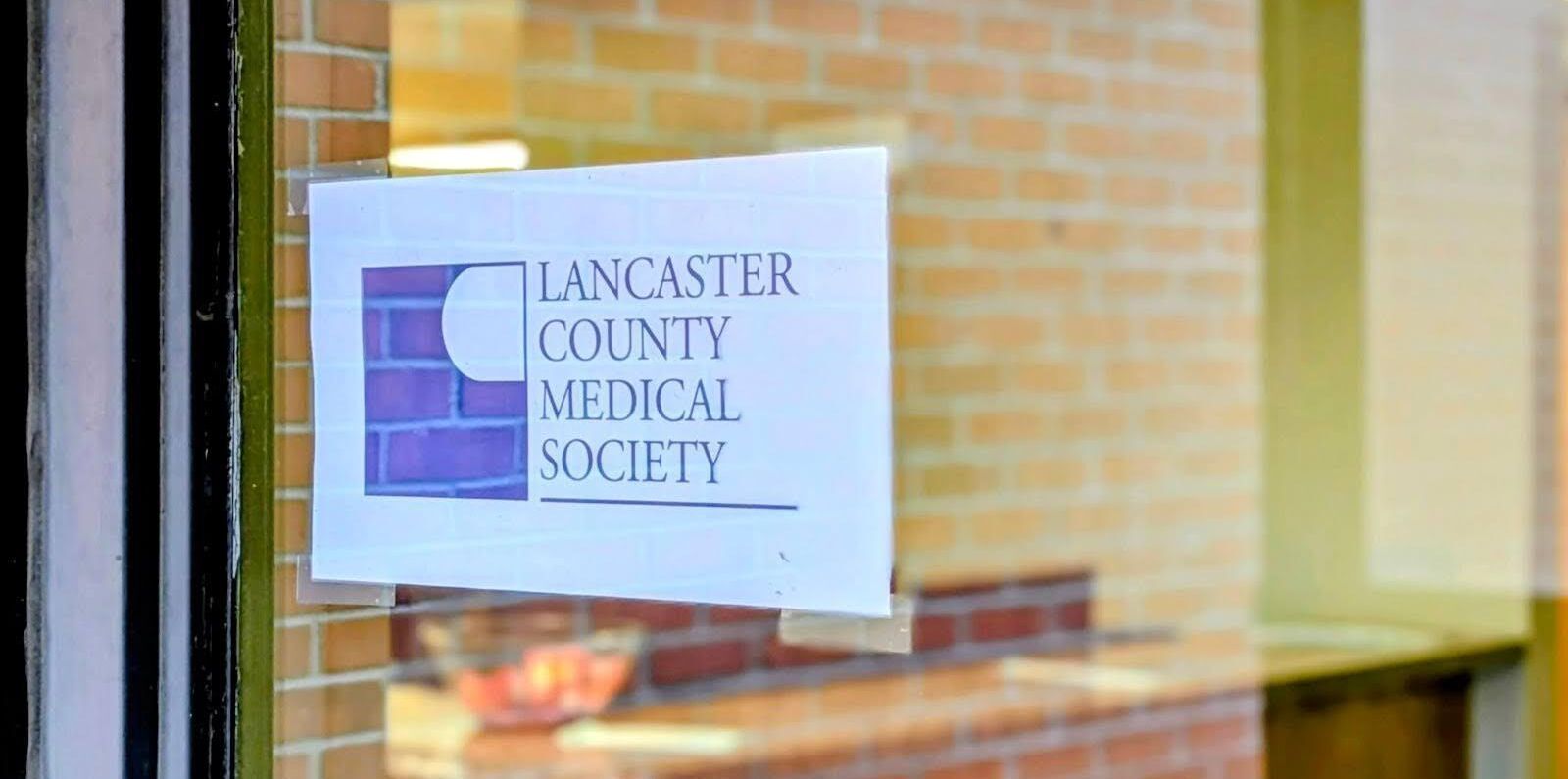
Pictured: Lancaster County Medical Society’s front door in Lincoln, NE, Feb. 4, 2026. (Stingray Writing/Brittany Wren)
At 43, Josh* has spent his life defining himself by his self-reliance. He is a skilled tradesman at a local manufacturing plant, the kind of worker who spends his days constructing complex equipment destined for corners of the globe he’ll likely never visit. He is tough. He is essential.
He is also, like many healthy adults, a realist.
Years ago, Josh looked at his paycheck and made a calculated risk: he opted out of his employer’s health insurance plan. He rarely saw a doctor. The premiums felt like money thrown away. Money that he needed for rent and groceries. For a long time, the bet paid off.
Then came late 2024.
A $10,000 Bill and the Bridge to Care
What began as minor digestive discomfort quickly spiraled into agony. The physical demands of his job — lifting, bending, building — became impossible. In a matter of months, the 6-foot-tall tradesman withered from a robust 200 pounds to a frail 142.
"I didn't have a choice," Josh said. "I couldn't put it off anymore."
He needed surgery — specifically a hemorrhoidectomy — followed by a regimen of injections and treatments. But without insurance, the cost was staggering. A specialist estimated the initial surgery alone would cost upward of $10,000, not including anesthesia, facility fees, or follow-up care.
For a hardworking resident without coverage, it was a bill that could lead to financial ruin.
That’s when the referral came — not to a loan officer, but to the Lancaster County Medical Society (LCMS).
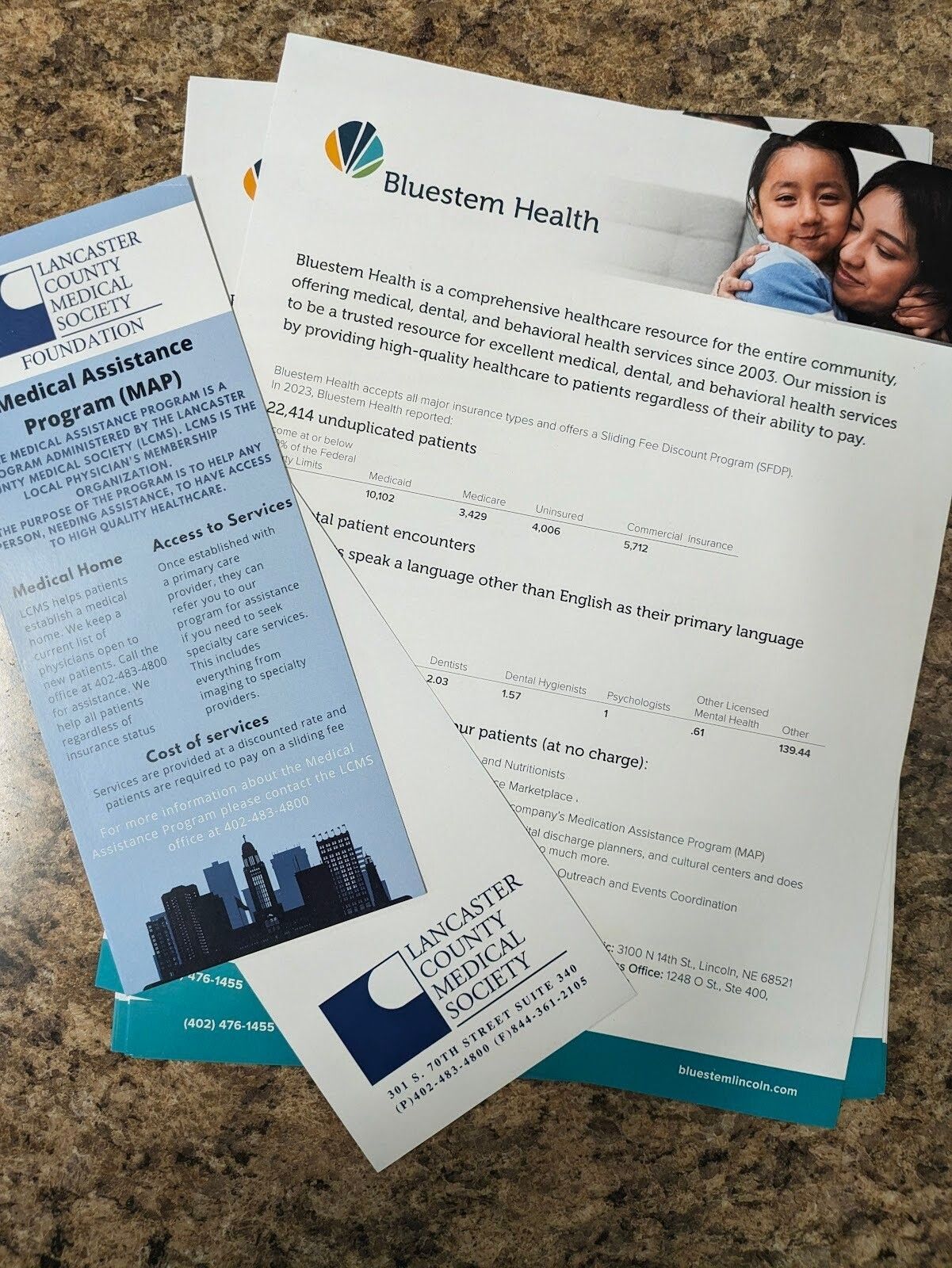
Pictured: Lancaster County Medical Society (LCMS) Foundation brochure about the Medical Assistance Program, along with information about LCMS partner Bluestem Health, Wednesday, Feb. 4, 2026. (Stingray Writing/Brittany Wren)
Supported by grant funding from the Community Health Endowment (CHE), LCMS Foundation runs the Medical Assistance Program (MAP). It is a quiet but vital safety net designed specifically for residents caught in the gap between being uninsured and needing urgent care.
Alix Gomez, the Community Assistant Manager at El Centro de las Américas, knows this gap well. She describes her role as "the bridge" between struggling residents and the care they need.
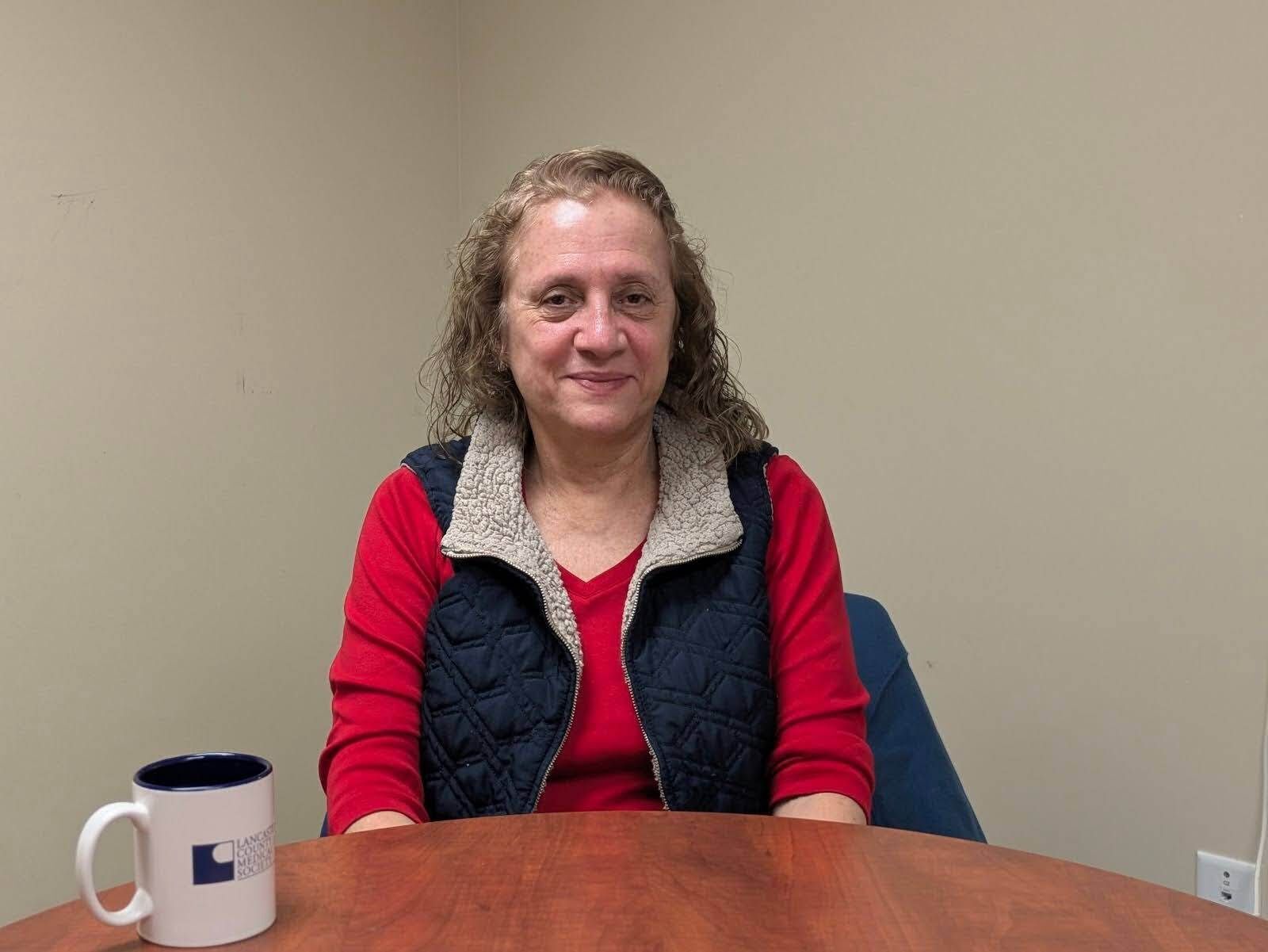
Pictured: El Centro de las Américas Community Assistant Manager Alix Gomez at the Lancaster County Medical Society, Dec.16, 2025. (Stingray Writing/Brittany Wren)
"I call the Lancaster County Medical Society if there is an emergency," Alix explained. She noted that when patients are in crisis — whether it’s a trauma victim needing immediate therapy or a patient requiring surgery — LCMS moves fast. In a recent case involving a victim of violence who needed serious mental health assistance, Gomez made the call and secured an appointment for the very next day.
"Working with the Lancaster County Medical Society has been wonderful," Alix said. "We help a lot of people."
Negotiating the Impossible
For Josh, that help meant the program navigated the labyrinth of the American healthcare system on his behalf.
"They contacted me before I even had a chance to call them," he recalled. "They had already done the research."
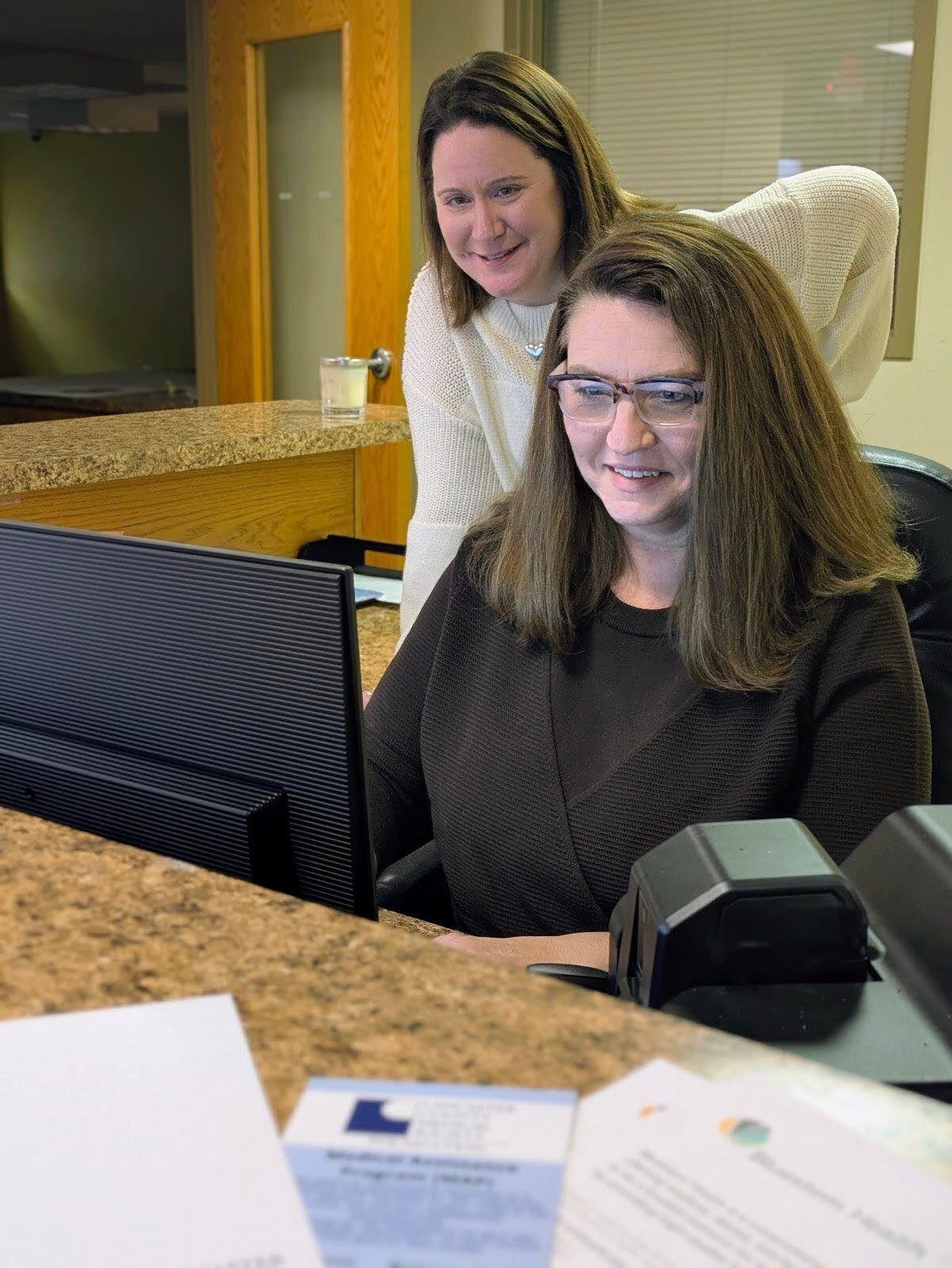
Pictured: Lancaster County Medical Society (LCMS) Executive Administrative Assistant Bonnie Horne (front) with LCMS Executive Director Kelly Braswell-Burbach (back) at the LCMS front desk, Wednesday, Feb. 4, 2026. (Stingray Writing/Brittany Wren)
Staff at LCMS used their relationships with care providers to negotiate rates with specialists and coordinate the logistics. They turned a $10,000 impossibility into a negotiated rate of approximately $4,700 — a number Josh could manage.
Kelly Braswell-Burbach, Executive Director of the Lancaster County Medical Society, says this wasn't a fluke. LCMS regularly negotiates rates for clients, helps them gain access to facilities needed for procedures, sets up payment plans, connects them with physicians, and assists with insurance enrollment.
"If someone calls... even if we don't have some set precedent on how we've helped someone before, we'll find a way to help them,” Kelly said. “We really find a way."
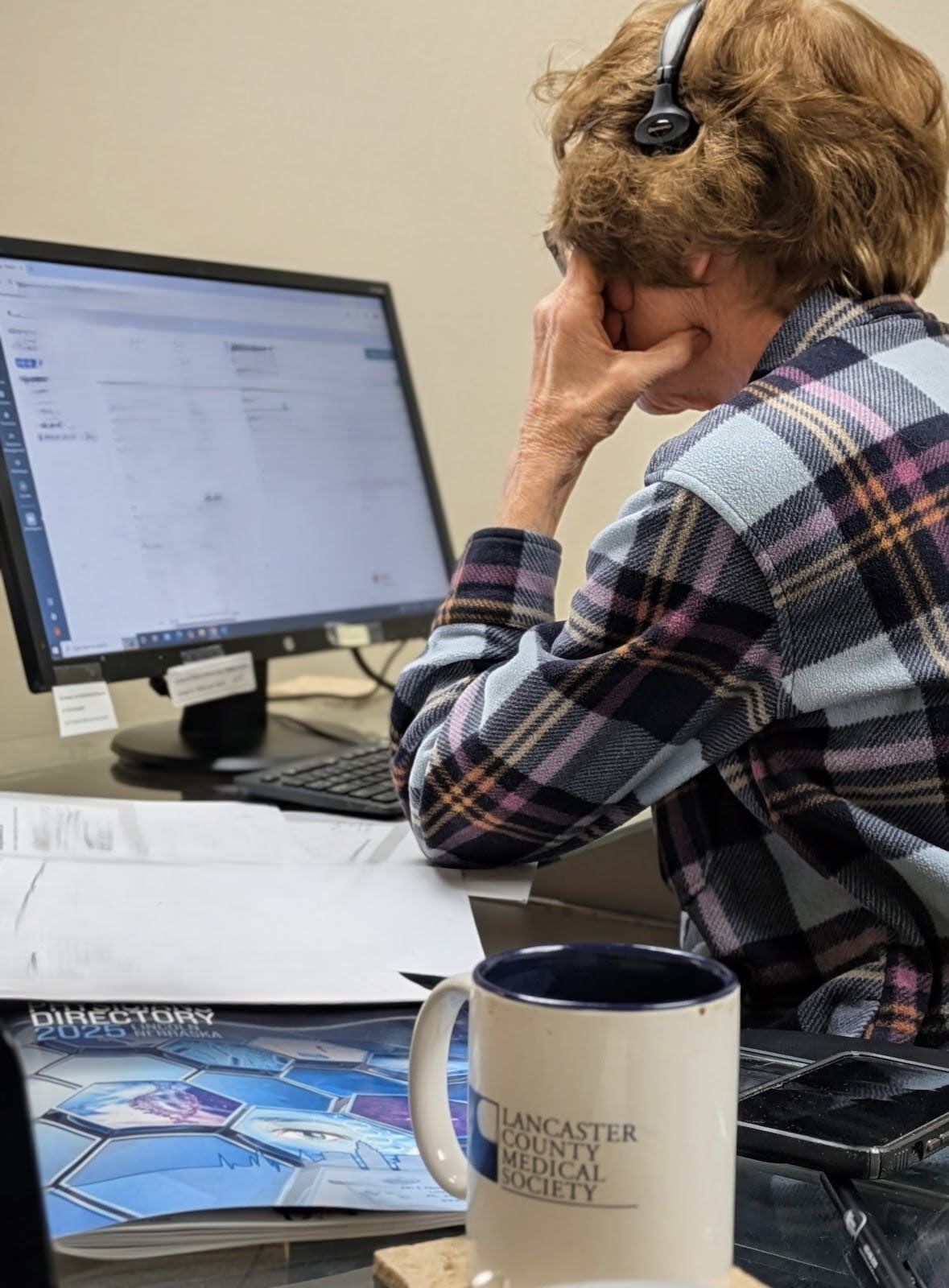
Pictured: Lancaster County Medical Society (LCMS) Foundation Project Coordinator Joan Anderson in her office, Wednesday, Feb. 4, 2026. (Stingray Writing/Brittany Wren)
Alix recalls a similar case where a client faced an $18,000 bill for a surgery required to save their eyesight. The client didn't have the money and was terrified of going blind. Through MAP, that bill was negotiated down to $5,000, which was an amount the family was able to pool together to pay.
LCMS estimates that for every $100 clients pay, the Medical Assistance Program saves them $200. For some services, the savings are even greater.
"They saved me a considerable amount of money," Josh remembered. "But more than that, they saved me hours of phone calls and stress."
A Lifeline for Patients and Providers
It isn't just patients who rely on this system. For local physicians, the program solves a critical dilemma: how to treat patients who have urgent needs but no means to pay.
"I can truly say that the Medical Assistance Program... is changing lives," said Dr. Anthony Tabatabai, a general surgeon with Surgical Associates.
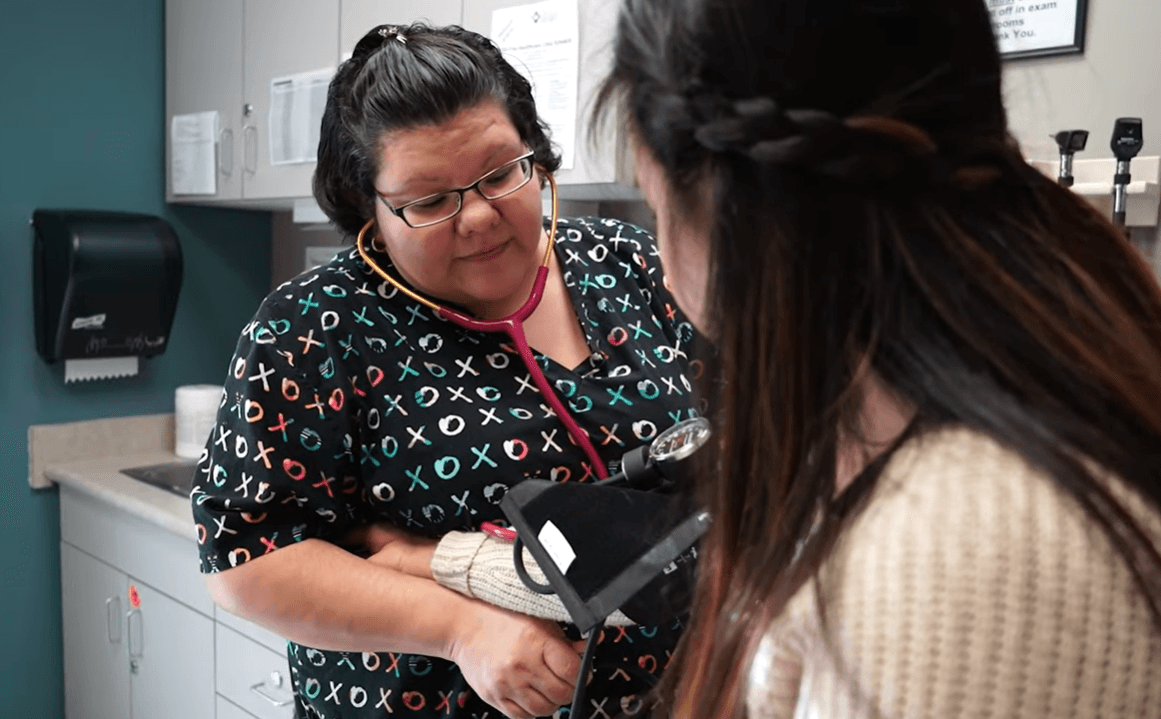
Pictured: A patient receiving medical care at a Bluestem clinic.
He noted that while public insurance programs have expanded access to care for many Lincoln residents, significant gaps remain.
"Without the Medical Assistance Program, many others would not receive the medical services they need," Dr. Tabatabai said. "This program provides our patients with an option to seek medical care regardless of ability to pay, which benefits our community hospitals and providers too."
Restoring Health, Rebuilding Stability
Josh underwent his first surgery in November 2024 and a second procedure in January 2025. The recovery has been grueling, but he is on the mend. His employer kept him on, moving him to less physically demanding electrical work while he regained his strength.
"When you talk about making Lincoln the healthiest community in the nation, I can't think of anything more fundamental," Kelly said. "Connecting people with physicians and getting them the help and the care they need."
Today, Josh isn’t a statistic of the healthcare gap. He is back on the job, rebuilding his strength and his life, supported by a community that refused to let him slip through the cracks.
The Data Driving this Investment
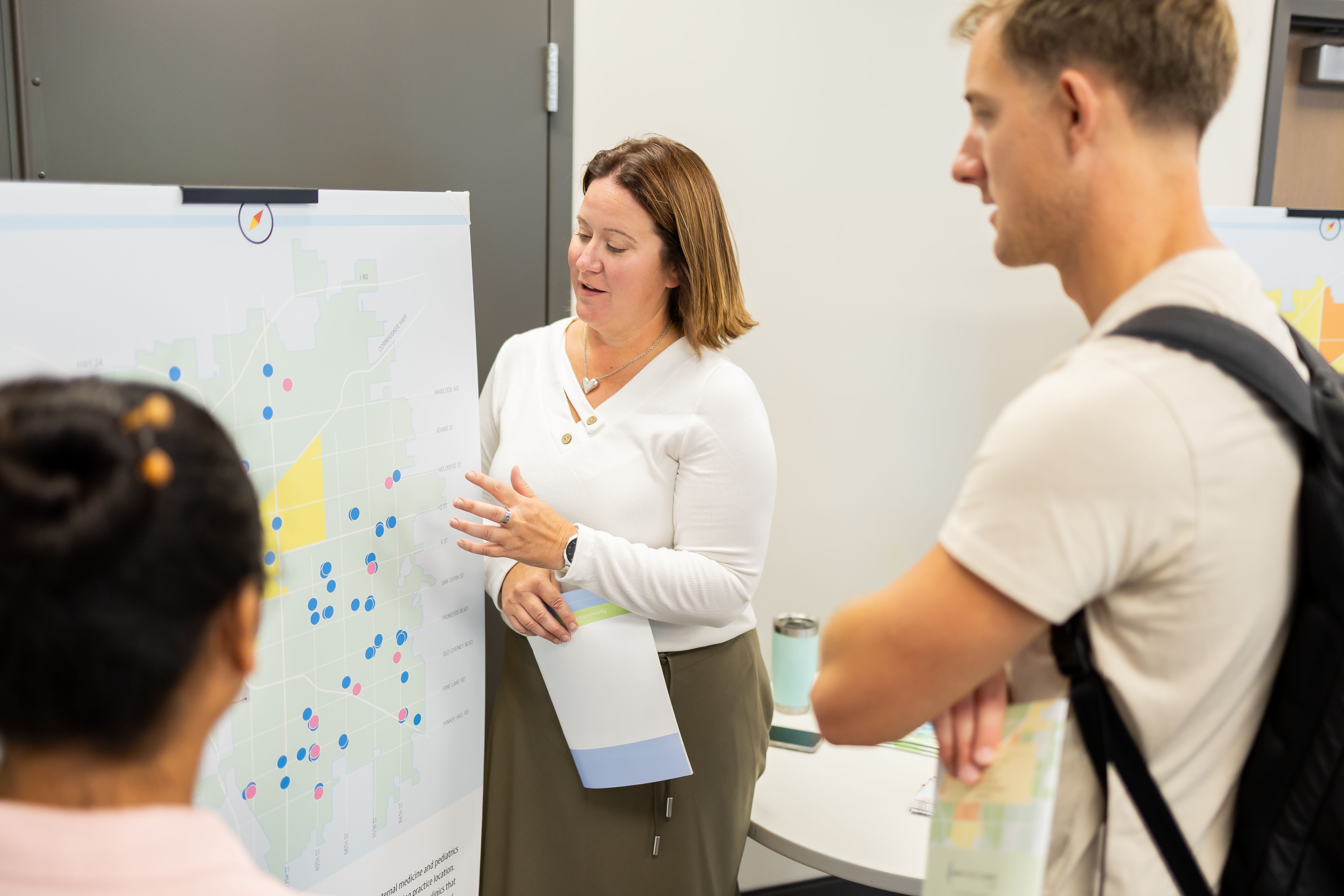
Pictured: Lancaster County Medical Society Executive Director Kelly Braswell-Burbach at the Place Matters 6.0 Launch at CenterPointe Campus for Health & WellBeing, Lincoln, NE, Aug. 29, 2025. (Rebecca Marie Photo)
Josh’s experience brings the Place Matters data to life. While poverty rates have declined, the barrier of being uninsured — which still affects over 10% of residents in 22 Lincoln neighborhoods — requires exactly this kind of targeted, collaborative intervention.
For Kate Bolz, President and CEO of the Community Health Endowment, Josh’s story is proof that Place Matters is more than just data on a map.
"Lincoln is a community that cares deeply," Kate Bolz, President and CEO of CHE said. "But if we want every resident to thrive — not just some — we must be more intentional in how we remove barriers. Stories like Josh’s show us that when we invest resources strategically, we build a foundation of health that supports us all."
Learn more about our recent Place Matters data here.
*Name has been changed to protect the patient's privacy.